
Lung & Respiratory7 min read
What Is a Pulmonary Function Test? Uses, Types and Preparation
A pulmonary function test (PFT) is a group of painless breathing tests that measure how much air your lungs hold, how fast you can move it in and out, and how well oxygen passes into the blood. It includes spirometry and may add lung volumes and diffusion capacity. Doctors use it for asthma and COPD.
Also called: lung function test Pokhara, pulmonary function test Nepal, spirometry test Pokhara, breathing test for asthma Nepal, PFT test cost Pokhara
Booking, timings and preparation: see our Pulmonary Function Test (PFT) page.
 By Dr. Nawaraj Paudel · Consultant RadiologistReviewed by Dr. Bishworaj Bastakoti· Last reviewed 12 October 2026· Published 31 October 2026
Key takeaways
- A PFT test in Pokhara measures lung volume, airflow and oxygen transfer with painless breathing manoeuvres.
- Doctors order PFTs for long-standing cough, wheeze or breathlessness, and to confirm and grade asthma and COPD.
- At KDRC a full PFT session takes about 30 to 45 minutes; plan about an hour at the centre.
- Avoid smoking and heavy exercise for 8 hours and heavy meals for 2 hours; staff advise on inhaler timing.
- Call 061-553538 or 9856077433 to book a PFT at KDRC, Shantipath, Amarsingh Chowk.
What is a pulmonary function test?
A pulmonary function test (PFT) is a group of painless breathing tests that measure how much air your lungs hold, how fast you can move it in and out, and how well oxygen passes into the blood. Doctors use pulmonary function tests to diagnose and monitor asthma, chronic obstructive pulmonary disease (COPD) and other lung conditions. There are no needles, no radiation and no enclosed space.
The most familiar part is spirometry, the forceful blow into a mouthpiece you may have seen in health camps. A full PFT session at KDRC can also include lung volume measurement and diffusion capacity, giving a complete picture of your lung health in about 30 to 45 minutes. MedlinePlus explains that diffusion capacity is measured by breathing a harmless tracer gas, often for a single breath. Appointment details are on our PFT test in Pokhara page.
The test turns symptoms into numbers. Instead of guessing why you are breathless, your doctor can see whether the airways are narrowed, whether the lungs are smaller than expected, or whether oxygen transfer is reduced, and then choose treatment that matches how your lungs actually behave.
When do you need a lung function test?
Many people live with breathlessness for years, putting it down to age or smoke. These are the common reasons doctors order a PFT.
- Long-standing cough. A cough lasting more than two months deserves a proper look at lung function.
- Wheeze or chest tightness. Whistling breath and tightness are classic airway signs, especially at night or with exercise.
- Breathlessness out of proportion to effort. Tiring quickly on stairs and slopes is not always just fitness.
- Confirming asthma or COPD. The NHS lists finding out whether symptoms are caused by asthma, COPD or pulmonary fibrosis as a main reason for spirometry.
- Monitoring treatment. Repeating the test shows whether inhalers are working.
- Before surgery or for work. PFTs check lung fitness before major operations and monitor workers exposed to dust and fumes.
In Pokhara, kitchen smoke, road dust, vehicle fumes, tobacco and burning rubbish irritate airways daily. Frequent "bronchitis" episodes in smokers also warrant checking. If you have smoked for years or worked around smoke, dust or fumes, a baseline PFT is worth discussing with your doctor.
How to prepare for a PFT at KDRC
Good preparation makes the numbers accurate on the first attempt. KDRC staff confirm the details, including inhaler timing, when you book.
Food, smoking and exercise
Avoid smoking and heavy exercise for 8 hours before the test and heavy meals for 2 hours, because a full stomach restricts deep breathing. A light meal a couple of hours before is fine. Avoid tea, coffee and smoking on the day, and wear loose, comfortable clothing, since tight clothes restrict deep breaths.
| Before your test | What to do | Why it matters |
|---|---|---|
| 8 hours before | No smoking or heavy exercise | Both change how the airways behave |
| 2 hours before | No heavy meal; a light meal is fine | A full stomach limits deep breathing |
| On the day | Avoid tea and coffee; wear loose clothes | Caffeine and tight clothing affect results |
| Inhalers | Pause only as staff or your doctor advise; bring them | Inhalers can make untreated airways look better |
Inhalers and medicines
Inhalers usually need pausing for a set number of hours, and KDRC staff tell you exactly which ones when you book, because they can make an untreated airway look better than it is. Never stop any medicine on your own; confirm with staff or your doctor first, and bring your inhalers with you.
Health issues to mention
Tell staff about loose teeth, recent eye, chest or abdominal surgery, a recent heart attack, a collapsed lung or a recent coughing fit, because forceful blowing may need adjusting or delaying.
Spirometry vs full PFT: which do you need?
Spirometry measures how much air you can blow out and how fast. It is quick and enough for many questions, such as checking for asthma or COPD. A full PFT adds lung volume measurement and diffusion capacity, which helps when the lungs may be restricted in size or when oxygen transfer is in question.
Spirometry alone costs less but answers fewer questions than a full PFT with reversibility testing. Your doctor's referral decides which you need, and KDRC staff can advise what the referral calls for. The cost of a PFT varies with the number of test components; KDRC quotes transparently before you book, so call 061-553538 for current pricing. Our guide to choosing a diagnostic centre in Pokhara explains how to compare quotes like with like.
| Feature | Spirometry | Full PFT |
|---|---|---|
| Measures | Air volume and flow when blowing out | Flow plus lung volumes and diffusion capacity |
| Best for | Checking for asthma or COPD | Restriction or oxygen-transfer questions |
| Time | Shorter | About 30–45 minutes at KDRC |
| Cost | Lower | Higher; depends on components |
| Reversibility test | Can be added | Often included when requested |
For a fuller explanation, read spirometry vs full PFT.
What happens during a PFT at KDRC?
At KDRC Pokhara you sit upright wearing a nose clip and breathe through a mouthpiece connected to the machine. The technologist coaches you through each manoeuvre so the numbers are accurate. Forceful exhaling can feel tiring for a moment; that effort is part of the test, not a sign of anything wrong.
- 1Sit uprightYou sit in a chair and a soft nose clip is placed so air only passes through your mouth.
- 2Seal the mouthpieceClose your lips firmly around the mouthpiece connected to the machine.
- 3Breathe in fullyTake the deepest breath you can, following the technologist's cue.
- 4Blow out hard and longBlast the air out as fast and completely as possible until told to stop.
- 5Repeat for accuracySeveral blows are recorded with short rests so the best result is used.
- 6Reversibility, if requestedYou use an inhaler, wait a short time, then repeat the blows.
The full session takes 30 to 45 minutes including rest periods and, if requested, reversibility testing, so plan about an hour at the centre. The NHS spirometry guide notes that using an inhaler and repeating the test after a short break shows whether the inhaler affects your result.
PFT results and safety
Your results are compared with predicted values for your age, height and sex. Two numbers matter most: FVC, the total air you can blow out, and FEV1, the air you blow out in the first second. Their ratio separates obstructive patterns, such as asthma and COPD, from restrictive ones where total lung volume is reduced. The NICE COPD guideline uses an FEV1/FVC ratio below 0.7 after an inhaler as a key sign of airflow obstruction. Reversibility helps tell asthma, which usually opens up with an inhaler, from COPD, which opens up little.
Early diagnosis matters. According to the WHO, tobacco smoke and household air pollution from cooking fuels are major causes of COPD. For smokers, the FEV1 trend over the years is one of the clearest warning signals, and decline can be slowed by quitting and starting treatment early. Your doctor interprets the report with your symptoms; for a line-by-line walkthrough see lung function test results explained.
A PFT is non-invasive and safe for most people. Forceful blowing can briefly cause dizziness or coughing that settles in minutes, and the technologist paces the test. MedlinePlus notes a small risk of a collapsed lung in people with certain lung diseases, which is why staff check your history first.
Common mistakes and myths about PFT
- Myth: breathlessness is just age. Many people normalise treatable airway disease for years.
- Mistake: stopping medicines without advice. Pause inhalers only as KDRC staff or your doctor advise.
- Mistake: smoking or eating a big meal beforehand. Both can lower your numbers and lead to a repeat.
- Myth: a PFT is painful. You only breathe into a mouthpiece; brief tiredness is normal.
- Mistake: holding back on the blows. Maximum effort gives accurate results, so follow the coaching.
- Myth: one normal test means lungs are fine forever. Smokers and dust-exposed workers benefit from repeat testing.
A PFT can change a decade of wrong assumptions in under an hour. KDRC also offers 192-slice CT for chest imaging, so related tests can often be done in one visit. Read about lung function testing at KDRC or contact KDRC at Shantipath, Amarsingh Chowk, on 061-553538 or 9856077433.
- Book lung function testing at KDRC
- Which breathing test your referral needs
- What to look for when booking tests
- Reading FEV1, FVC and your report
- Chest imaging to look at lung structure
Example
Illustrative example (fictional). Ramesh, a 58-year-old farmer from Hemja, had smoked for over thirty years and cooked over a wood fire for much of his life. He coughed every morning and got breathless walking uphill to his fields, but he put it down to age. After a winter of repeated "bronchitis", his doctor referred him for a PFT.
His daughter Sita called 061-553538. Staff told her which of his inhalers to pause and for how long, and asked that he avoid smoking and heavy work for 8 hours, skip a heavy meal for 2 hours and avoid tea that morning. They suggested planning about an hour at the centre.
At KDRC the technologist coached Ramesh through each blow, then repeated the test after an inhaler. His airflow was reduced and improved only a little after the inhaler, a pattern his doctor linked to COPD. With a clear diagnosis, Ramesh started regular treatment and joined a programme to stop smoking, and his doctor planned a repeat test to track his progress.
Frequently asked questions
What is a PFT test?
A pulmonary function test is a group of painless breathing tests that measure how much air your lungs hold, how fast you move it and how well oxygen passes into the blood. It helps diagnose and monitor asthma, COPD and other lung conditions.
Is a PFT test painful?
No. You only breathe into a mouthpiece following instructions. Forceful blowing can feel briefly tiring or dizzying, which settles within minutes.
Should I stop my inhaler before a PFT?
Usually yes, for a set number of hours, so the test sees your untreated lung function. Never stop any medicine without confirming with KDRC staff or your doctor, and bring your inhalers with you.
How long does a PFT take at KDRC?
A full PFT session takes 30 to 45 minutes, including rest periods and reversibility testing if requested. Plan about an hour at the centre.
Can I eat before a lung function test?
A light meal a couple of hours before is fine. Avoid a heavy meal for 2 hours, and avoid tea, coffee and smoking on the day.
How much does a PFT cost in Pokhara?
PFT cost in Pokhara depends on how many test components are done, so spirometry alone costs less than a full PFT. Call KDRC on 061-553538 or 9856077433 for current pricing.
Related tests at KDRC Pokhara
- Pulmonary Function Test (PFT)A PFT test in Pokhara at KDRC is a set of painless breathing tests, led by spirometry, that measure how much air your lungs hold and how fast you can blow it out.
- 192 Slice High Resolution CT ScanA CT scan in Pokhara at KDRC is a fast, painless X-ray test that uses a computer to create detailed cross-sectional images of the head, chest, abdomen, spine, bones and blood vessels.
Questions or bookings: call +977-61553538 or +977-9856077433.
Go deeper
Sources
- medlineplus.gov/ency/article/003853.htm
- www.nhs.uk/tests-and-treatments/spirometry/
- www.nice.org.uk/guidance/ng115
- www.who.int/news-room/fact-sheets/detail/chronic-obstructive-pulmonary
- www.who.int/news-room/fact-sheets/detail/asthma
This article is general information, not medical advice. Always consult your doctor about your specific situation.
About the author
Dr. Nawaraj PaudelConsultant Radiologist
Consultant Radiologist at KDRC, Pokhara. Residency at East Avenue Medical Centre, Manila; formerly Assistant Professor of Radiology at Universal College of Medical Sciences. Member, Nepal Radiologist Society.
View doctor's profile →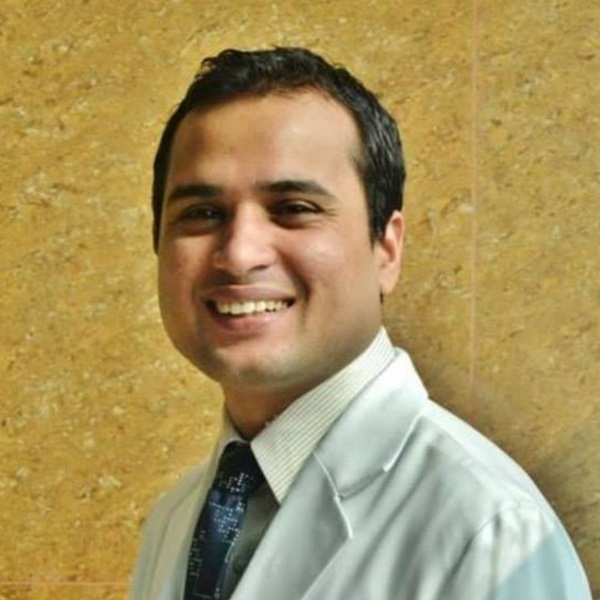
Expert reviewer
Dr. Bishworaj BastakotiConsultant Radiologist
Consultant Radiologist at KDRC, Pokhara. Residency at the National Kidney and Transplant Institute, Manila; previously at Western Regional Hospital. Member, Nepal Radiologist Society.
View doctor's profile →