
Minor Procedures8 min read
What Is an FNAC Test? Procedure, Pain, Results and Accuracy
FNAC (fine needle aspiration cytology) is a test in which a doctor passes a very thin needle into a lump and draws out a few cells, which a pathology doctor examines under a microscope. It feels similar to a blood test, takes about 10 to 15 minutes and needs no cuts, stitches or fasting.
Also called: fine needle aspiration cytology Pokhara, FNA test Nepal, thyroid FNAC Pokhara, needle test for lump, FNAC cost in Pokhara
Booking, timings and preparation: see our FNAC page.
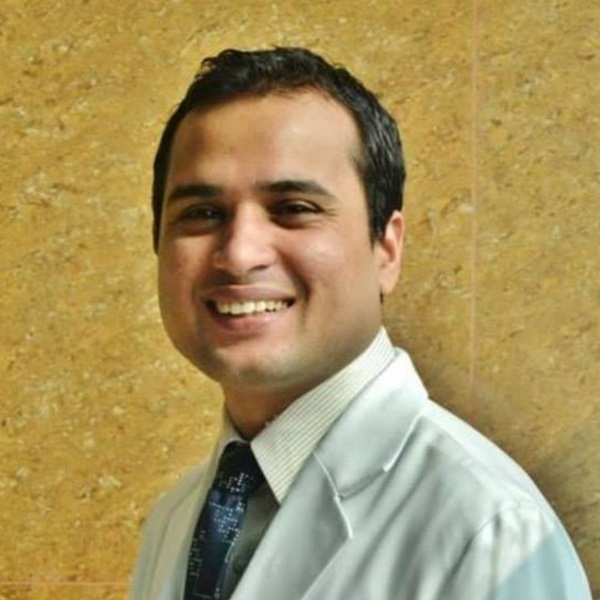 By Dr. Bishworaj Bastakoti · Consultant RadiologistReviewed by Dr. Nawaraj Paudel· Last reviewed 12 October 2026· Published 3 November 2026
Key takeaways
- FNAC draws loose cells from a lump through a very thin needle for microscope testing.
- It is used for thyroid nodules, lymph nodes, breast lumps, salivary glands and other superficial swellings.
- The procedure takes about 10–15 minutes, with no fasting, sedation or stitches.
- Tell staff about blood thinners such as aspirin or warfarin, but never stop them on your own.
- An unclear or inadequate result may lead to a repeat FNAC or a core needle biopsy.
What is an FNAC test?
An FNAC test is a simple procedure in which a doctor passes a very thin needle into a lump and draws out a few cells for examination under a microscope. FNAC stands for fine needle aspiration cytology. It feels similar to a blood test, needs no cuts or stitches, and is one of the quickest ways to find out whether a lump is harmless. At KDRC on Shantipath, Amarsingh Chowk, Pokhara-10, it is done as a minor outpatient procedure.
Cytology means the study of cells, and that is the heart of the method. The fine needle loosens individual cells from the lump. They are spread onto a glass slide, stained and examined by a pathology doctor. The procedure usually takes ten to fifteen minutes, and you leave with nothing more than a small plaster. Preparation and timings are on our FNAC test in Pokhara page.
FNAC has been used worldwide for decades because it answers the most urgent first question about a lump, whether it looks benign, with very little inconvenience. MedlinePlus explains that thyroid FNA is often used to find out whether nodules seen on ultrasound or felt by the doctor are non-cancerous or cancerous. In many cases, a clear benign result removes the need for further testing.
Which lumps need an FNAC test?
Doctors advise FNAC when a lump or swelling is unclear after examination or imaging, most often to decide whether it is benign before considering surgery. Operating on every lump would be unnecessary, and ignoring them would be careless; FNAC sits in the sensible middle.
- Thyroid nodules. Neck swellings are among the commonest reasons for FNAC in Nepal, partly because thyroid nodules are frequent in our region.
- Enlarged lymph nodes. A node that has persisted longer than a few weeks is a typical referral, and FNAC can show infection, inflammation or abnormal cells.
- Breast lumps. FNAC forms part of the standard assessment alongside clinical examination and imaging.
- Salivary gland swellings. Lumps in front of the ear or under the jaw are often sampled this way.
- Superficial lumps elsewhere. Swellings under the skin on other parts of the body can be checked quickly.
- Small or deep lumps. When a lump is hard to feel, KDRC performs ultrasound-guided FNAC so the needle tip can be watched on screen.
Many lumps are first found during a routine ultrasound scan. The good news is that the majority of lumps sampled by FNAC turn out to be benign, and the test ends weeks of silent worry with a clear answer.
How to prepare for FNAC, and what it costs
Little preparation is needed, but a few details make the day smoother and safer.
On the day
Eat and drink normally and take your regular medicines. No fasting, companion or time off work is needed. Wear a top that gives easy access to the neck or breast area, and bring previous ultrasound or blood reports of the same lump, because results over time tell the doctor far more than any single test.
Blood thinners and other medicines
Tell staff about blood thinners such as aspirin or warfarin, any bleeding disorder, allergies and pregnancy. Medicines that reduce clotting can increase bruising at the puncture site, and the doctor decides with your prescribing physician whether any adjustment is needed. Never stop heart or stroke-prevention medicines on your own; simply inform the team when booking.
| Tell staff about | Why it matters | What happens next |
|---|---|---|
| Blood thinners (aspirin, warfarin) | More bruising or bleeding at the site | The doctor advises with your prescribing physician |
| Bleeding disorder | Higher risk of bleeding after the needle | Extra precautions are planned before the test |
| Pregnancy or allergies | May affect numbing medicine or approach | The team adjusts the plan if needed |
| Previous reports | Show how the lump has changed | Bring them to compare with new findings |
What affects the cost
FNAC costs differ by site, number of passes and whether ultrasound guidance is used, so KDRC quotes current prices directly. Call 061-553538 or +977-9856077433 for today's price, appointment slots and whether your doctor's referral is needed. Keep your referral note or ultrasound report at hand; describing where the lump is helps staff give an accurate answer in one call.
FNAC vs core needle biopsy
Both tests take a sample for the laboratory, but they collect different material. FNAC draws loose cells through a very fine needle. A core needle biopsy uses a slightly larger needle to remove a thin sliver of tissue that keeps its structure, which gives the pathologist more to work with. RadiologyInfo.org describes the main types of needle biopsy and when each is used.
FNAC is usually the first step because it is quicker and gentler. A biopsy follows when FNAC is inconclusive, or when the type of disease must be confirmed from tissue architecture. Our plain-language comparison of FNAC vs biopsy explains the difference in more detail.
| Factor | FNAC | Core needle biopsy |
|---|---|---|
| What is taken | Loose cells | A thin sliver of tissue |
| Needle size | Very thin | Slightly larger |
| Numbing | Often not needed | Local anaesthetic is usual |
| Main strength | Quick first check of a lump | Shows tissue structure for a firmer diagnosis |
| Typical role | First-line test | Next step if FNAC is unclear |
What happens during an FNAC test at KDRC
You lie or sit while the doctor cleans the skin. A numbing spray or injection is sometimes used, although the needle is so thin that many people do not need it. The doctor then passes the fine needle into the lump for a few seconds to draw cells into a syringe. Several passes may be taken, with a short pause between them while the sample is checked.
If ultrasound guidance is used, the probe rests on your skin beside the needle so the doctor can see the target throughout. The RadiologyInfo.org guide to ultrasound-guided thyroid biopsy shows how this works. For a neck lump, you may be asked not to swallow or to hold your breath briefly. Read more about the technique in our article on ultrasound-guided biopsy.
Most people describe FNAC as uncomfortable rather than painful: a brief sting as the needle enters the skin, then mostly pressure. Once enough material is collected, the slides go to the laboratory, a plaster goes on, and after a short observation you are free to leave and return to work.
- 1Position and cleanYou lie or sit comfortably and the doctor cleans the skin over the lump.
- 2Locate the lumpThe doctor feels the lump or uses HD ultrasound to find small or deep targets.
- 3Optional numbingA numbing spray or injection may be used, though many people do not need it.
- 4Needle passesA fine needle draws cells into a syringe for a few seconds; several passes may be taken.
- 5Slides preparedCells are spread on glass slides and sent for staining and pathology review.
- 6Plaster and goA plaster covers the spot and you can leave after a short observation.
Risks, side effects and FNAC results
FNAC is very safe for an outpatient procedure, and serious problems are rare. You may notice mild soreness, a small bruise that fades over a week, or brief swelling. Gentle pressure and a cold pack for the first few hours handle most discomfort, and simple paracetamol helps if needed. Neck procedures occasionally cause a brief hoarse voice or a feeling of pressure on swallowing, which settles on its own. MedlinePlus notes that the main risk of thyroid FNA is bleeding, which is uncommon.
A pathology doctor reports on the stained cells. KDRC's in-house pathology review means samples do not need to travel elsewhere. A typical report describes whether the sample was adequate, what cells were seen, and a conclusion such as benign, indeterminate, suspicious or malignant. KDRC staff will tell you when your report is ready; for exact timing, ask at reception or call 061-553538.
An inadequate sample simply means too few cells were captured. It is a limitation of the technique, not a bad result. The doctor may repeat the FNAC or advise a biopsy, which KDRC offers on site with ultrasound guidance. Our guide to biopsy results explains that next step. Your referring doctor is the right person to explain what the report means for you.
Mild soreness, a small bruise or brief swelling is normal and usually settles within a day or two. Call KDRC on 061-553538 or see a doctor if you notice increasing redness, spreading swelling, fever, or bleeding that does not stop with firm pressure. After a neck FNAC, seek urgent care for any difficulty breathing or a rapidly growing neck swelling.
Common mistakes and myths about FNAC
- Myth: needling a lump makes cancer spread. FNAC is a standard, widely used first test, and it guides safe treatment decisions.
- Myth: FNAC is a major operation. It is a minor outpatient procedure with no cuts, stitches or sedation.
- Mistake: stopping blood thinners without advice. Tell the team instead; your doctors decide together.
- Myth: an inadequate result means something is wrong. It only means too few cells were collected.
- Mistake: leaving old reports at home. Earlier ultrasound and FNAC reports help the doctor judge change over time.
- Mistake: waiting months to test a lump. A persistent lump deserves a prompt, simple check.
At KDRC, the FNAC service, HD ultrasound guidance, pathology review and biopsy all sit under one roof, so a single visit can cover assessment and sampling. To book, contact KDRC on 061-553538 or +977-9856077433.
- Often finds the lump and guides the needle
- Plain comparison of cells versus tissue
- What to expect if a tissue sample is needed
- Tissue sample when FNAC is unclear
- How imaging guides needles into deeper lumps
Example
Illustrative example (fictional). Bimala, a 41-year-old tailor from Chipledhunga, noticed a small swelling at the front of her neck while buttoning a blouse. An ultrasound showed a thyroid nodule, and her doctor advised an FNAC to check whether it was benign.
She called 061-553538. Staff explained that she could eat normally and take her usual medicines, and asked her to bring the ultrasound report. Because Bimala took aspirin, they noted it and asked her not to stop it unless her own doctor advised. On the day, she wore a loose top. The doctor used ultrasound to guide the fine needle and took a few quick passes, asking her not to swallow during each one. It felt like a brief sting, then pressure.
The whole procedure took about fifteen minutes, and she went back to her shop that afternoon with a small plaster. When staff told her the report was ready, her doctor explained that the cells were benign and planned a follow-up ultrasound in due course. Bimala said the worry beforehand had been far worse than the test itself.
Frequently asked questions
Is an FNAC test painful?
Most people find FNAC uncomfortable rather than painful, like a blood test or a brief sting. Any soreness usually settles within a day or two, and local numbing can be used.
How long does an FNAC test take in Pokhara?
The procedure usually takes about ten to fifteen minutes at KDRC. You leave with a small plaster after a short observation.
Do I need to fast before an FNAC test?
No. Eat and drink normally and take your usual medicines. Tell staff in advance about blood thinners or bleeding problems and bring earlier reports.
Can FNAC detect cancer?
Yes. FNAC can show cancer cells and is widely used to check lumps early. Some cancers need tissue structure to be confirmed, so a suspicious or unclear FNAC may be followed by a biopsy.
How much does an FNAC test cost in Pokhara?
The cost depends on the site, the number of passes and whether ultrasound guidance is used. Call KDRC on 061-553538 or +977-9856077433 for the current price.
Can I go to work after FNAC?
Yes. FNAC needs no sedation or stitches, so you can drive and return to work the same day. You can remove the plaster and shower normally the next morning.
Related tests at KDRC Pokhara
- FNACAn FNAC test in Pokhara at KDRC is fine needle aspiration cytology: a very thin needle draws cells from a lump, often under ultrasound guidance, for a pathologist to examine.
- High Definition UltrasoundUltrasound (USG, sonography) in Pokhara at KDRC is a painless, radiation-free scan that uses high-frequency sound waves to show live images of organs, blood vessels and soft tissues.
- BiopsyA biopsy test in Pokhara at KDRC is a procedure in which a small tissue sample is taken from a lump or abnormal area, usually with a core (trucut) needle under ultrasound guidance and local anaesthetic, and sent to a pathology laboratory.
Questions or bookings: call +977-61553538 or +977-9856077433.
Go deeper
Sources
- medlineplus.gov/ency/article/003899.htm
- www.radiologyinfo.org/en/info/thyroidbiopsy
- www.radiologyinfo.org/en/info/biopgen
- medlineplus.gov/ency/article/003416.htm
- www.nhs.uk/tests-and-treatments/biopsy/
This article is general information, not medical advice. Always consult your doctor about your specific situation.
About the author
Dr. Bishworaj BastakotiConsultant Radiologist
Consultant Radiologist at KDRC, Pokhara. Residency at the National Kidney and Transplant Institute, Manila; previously at Western Regional Hospital. Member, Nepal Radiologist Society.
View doctor's profile →
Expert reviewer
Dr. Nawaraj PaudelConsultant Radiologist
Consultant Radiologist at KDRC, Pokhara. Residency at East Avenue Medical Centre, Manila; formerly Assistant Professor of Radiology at Universal College of Medical Sciences. Member, Nepal Radiologist Society.
View doctor's profile →