
Patient Guides & Support7 min read
Home Ultrasound for Bedridden and Elderly Patients: How It Works
Home ultrasound for bedridden patients means a trained sonographer brings a portable scanner to the bedside to perform abdomen, pelvis, pregnancy and soft-tissue scans. The same protocol as in the centre is followed, and consultant radiologists report the images. Preparation is similar, such as fasting about six to eight hours for an abdominal scan.
Also called: home ultrasound Pokhara, ultrasound at home Nepal, portable ultrasound home visit, USG home service Pokhara, bedside ultrasound Pokhara
Booking, timings and preparation: see our Mobile Ultrasound page.
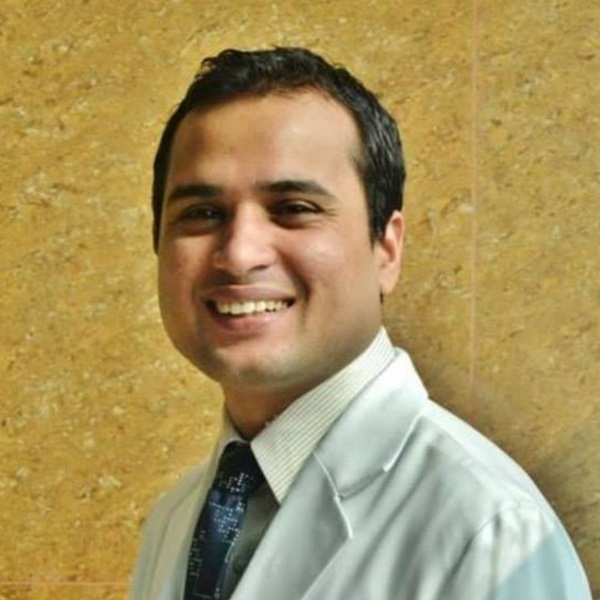 By Dr. Bishworaj Bastakoti · Consultant RadiologistReviewed by Dr. Nawaraj Paudel· Last reviewed 12 October 2026· Published 8 November 2026
Key takeaways
- KDRC brings a portable ultrasound scanner and trained sonographer to homes in Pokhara.
- Abdomen, pelvis, pregnancy and soft-tissue scans are commonly done at home.
- Consultant radiologists report home scans just like in-house studies.
- Prepare as for a clinic scan: fasting for abdomen, full bladder for pelvis and pregnancy.
- Emergencies need the 24-hour ambulance, not a booked home scan.
What is home ultrasound for bedridden patients?
Home ultrasound for bedridden patients brings the scanner and a trained sonographer to the patient's bedside, so people who cannot travel can have abdomen, pelvis, pregnancy and soft-tissue scans without leaving home. KDRC's mobile ultrasound team uses portable equipment, follows the same protocol used inside the centre, and consultant radiologists read the images and issue the report as usual.
For an elderly parent who cannot sit in a taxi, or a bedridden patient for whom every journey is an ordeal, the scan that never happens can delay a diagnosis for months. Home scanning exists for a simple reason: many of the patients who need ultrasound most, such as the elderly, the very ill and people recovering from surgery, are exactly the people for whom travel is hardest.
The equipment is genuinely portable: a machine, probes and consumables that travel to your bedside. The standards are not scaled down. Images are archived the same way as in-house studies, and the report carries the same weight. Only the location changes. Ultrasound itself uses sound waves rather than radiation, as the NHS explains, which makes it well suited to scanning at home. Details of how home visits are arranged are on our Mobile ultrasound service Pokhara page.
Who benefits most from an ultrasound scan at home?
Home ultrasound suits anyone for whom getting to a centre is the hardest part of the scan. Typical situations include:
- Elderly parents. A father in his eighties with abdominal pain whose family cannot safely move him.
- Bedridden or seriously ill patients. A grandmother who needs regular kidney monitoring but cannot leave her bed.
- People recovering from surgery or injury. A post-operative patient with suspected swelling and limited mobility.
- Women in advanced pregnancy. Late-pregnancy mothers who find clinic trips exhausting or for whom a bumpy ride is genuinely difficult.
- Vulnerable relatives. Families who want to avoid crowded waiting areas and infection risk, or whose transport is unreliable.
- Patients needing repeat scans. When repeated visits would exhaust the patient and everyone caring for them.
In each case the question is not whether the scan is needed, but whether the journey is worth the strain. One phone call to 061-553538 or 9856077433 answers whether a home visit suits you.
Which scans can be done at home, and how to prepare
Most common ultrasound requests for homebound patients can be done at the bedside. The team confirms on the phone whether your particular examination is suitable, since a few studies still require clinic-based machines.
Scans available at home
Abdominal ultrasound examines the liver, gallbladder, bile ducts, pancreas, kidneys, spleen and bladder; RadiologyInfo.org describes it as the standard workup for abdominal pain, jaundice and urinary symptoms. Pelvic ultrasound assesses the uterus, ovaries and bladder. Pregnancy ultrasound checks the baby's growth, position and wellbeing. Soft-tissue scans characterise lumps in the breast, thyroid or limbs.
| Scan | What it checks | Preparation |
|---|---|---|
| Abdominal ultrasound | Liver, gallbladder, pancreas, kidneys, spleen | Fast for about 6–8 hours |
| Pelvic ultrasound | Uterus, ovaries, bladder | Drink water; comfortably full bladder |
| Pregnancy ultrasound | Baby's growth, position and wellbeing | Usually a full bladder; follow the team's advice |
| Soft-tissue scan | Lumps in breast, thyroid or limbs | Usually no special preparation |
Fasting and a full bladder
Prepare exactly as you would for a scan in the clinic. Fasting matters because food and gas hide the gallbladder and pancreas. A full bladder matters because it creates an acoustic window that lifts bowel away from the pelvis, as RadiologyInfo.org's pelvic ultrasound page explains. Both are undone by one snack or one bathroom trip, so timing at home needs the same discipline as a waiting room.
Getting the room ready
A quiet room, a bed the sonographer can approach from both sides, good lighting and a nearby power point are all that is needed. Keep the doctor's request, previous reports and any old films by the bed, following the advice in our article on what to bring to an imaging appointment. Dress the patient in loose, two-piece clothing and keep the room warm, because gel feels cold and a shivering patient makes a blurry picture.
Home ultrasound vs clinic ultrasound
The examination at home follows the same clinical protocol, and the images are reported by consultant radiologists, so the report carries the same weight as an in-house study. The main differences are practical: who travels, how the room is set up and how the visit is charged.
Very complex cases may still be invited to the centre, where larger machines offer extra detail, and some specialised studies are clinic-only. Charges for home visits differ from in-clinic scans because travel and setup are involved, and the exact amount depends on your location within Pokhara. KDRC quotes rates plainly when you book; call 061-553538 or 9856077433 for the current price.
| Factor | Home visit | At the KDRC centre |
|---|---|---|
| Who travels | The sonographer comes to you | The patient travels to the centre |
| Equipment | Portable scanner and probes | Full in-house ultrasound systems |
| Protocol and report | Same protocol; radiologist report | Same protocol; radiologist report |
| Best for | Elderly, bedridden, post-operative, late pregnancy | Complex or specialised studies |
| Charges | Differ with travel and location | Standard clinic rates |
For a full picture of the scans offered at the centre, see our guide to the types of ultrasound scan and HD ultrasound at the centre.
How a home visit is arranged and what happens
Call KDRC on 061-553538 or 9856077433, describe the patient's condition and the scan requested, and agree a visiting time. Bookings are simplest when made a little in advance, though the team will always try to help in urgent situations. A referral is not essential, but your doctor's note tells the radiologist what question the scan should answer.
On the day, the sonographer arrives at the agreed time, sets up the portable scanner beside the bed, applies gel and examines the requested area, the same steps followed in the clinic. The patient may be asked to roll slightly or hold a breath for a few seconds. A bedridden patient is scanned in their own bed and turned only as gently as the examination requires. Afterwards, gel wipes off with a towel and normal activity resumes immediately; there is no recovery time from diagnostic ultrasound.
- 1Call to bookRing 061-553538 or 9856077433 and describe the patient and the scan needed.
- 2Get preparation adviceFast for an abdominal scan or arrive at a full bladder for pelvic and pregnancy scans.
- 3Prepare the roomClear space beside the bed, near a power point, with good light and warmth.
- 4The scan at the bedsideThe sonographer sets up, applies gel and scans the requested area.
- 5Radiologist reportA consultant radiologist reads the images and the report is shared with you.
Reports, safety and when not to book a home scan
The images are read by a consultant radiologist, and you receive your report to share with your doctor as you would after an in-house scan. If follow-up is recommended and comparison is needed, the team will tell you how older images can be shared. Keep the report safely with the patient's medical file at home, because future scans are read more accurately when the previous one is at hand.
Diagnostic ultrasound is painless and uses no radiation, so it is suitable for frail patients and pregnant women alike; our article is ultrasound safe? explains why. Pregnant mothers can also check the pregnancy ultrasound schedule to see which scan is due.
What a home visit cannot replace is a true emergency. Severe bleeding, suspected ectopic pregnancy, sudden severe pain or serious trauma need an emergency department, and the 24-hour ambulance at KDRC is the right call there, not a booked home scan.
Common mistakes when arranging a home ultrasound
- Booking a home scan for an emergency. Severe bleeding or trauma needs the ambulance and hospital, not a scheduled visit.
- Breaking the fast. A cup of milk tea before an abdominal scan can hide the gallbladder and pancreas.
- Emptying the bladder too early. For pelvic and pregnancy scans, wait until the sonographer has finished.
- No space beside the bed. Clear room on both sides and a nearby power point so setup is quick.
- Missing paperwork. Keep the doctor's request and old reports ready for comparison.
- A vague address. Give a clear landmark so the team reaches you on time.
New families may also find the guide to choosing a diagnostic centre in Pokhara useful. To arrange a visit, call 061-553538 or 9856077433, or contact KDRC.
- Patient's name and age
- The problem in one line
- The doctor's request, if there is one
- Home address with a clear landmark
- A preferred time window
- Previous reports and old films for comparison
- Any mobility limits, such as being bedridden
Example
Illustrative example (fictional). Hari Bahadur, 84, lives with his son Ramesh in Bindhyabasini. After a fall last year he has been mostly bedridden, and recently he developed a dull pain on his right side. His doctor asked for an abdominal ultrasound, but the family worried about moving him down the stairs and into a taxi.
Ramesh called 9856077433 and explained the situation. The team confirmed an abdominal scan was suitable at home, asked him to keep his father fasting for about six to eight hours, and agreed a morning slot. Ramesh cleared space on both sides of the bed, kept the room warm and put the doctor's note and last year's reports on the table.
The sonographer arrived on time, set up beside the bed and finished the scan with Hari Bahadur only turning slightly. A consultant radiologist reported the images, and Ramesh shared the report with the family doctor that week. There was no stretcher, no stressful journey, and Hari Bahadur had his breakfast as soon as the sonographer left.
Frequently asked questions
Is a home ultrasound scan as accurate as a clinic scan?
The home examination follows the same clinical protocol and consultant radiologists report the images, so the report carries the same weight. Very complex cases may still be invited to the centre for larger machines.
How much does a mobile ultrasound home visit cost in Pokhara?
Home visit charges differ from clinic scans because travel and setup are involved, and they depend on your location in Pokhara. Call 061-553538 or 9856077433 for the current price.
Can a bedridden patient be scanned without moving them?
Yes. The sonographer scans the patient in their own bed, turning them only as gently as needed. There is no stretcher, ambulance or journey involved.
Do I need a doctor's referral for a home ultrasound?
A referral is not essential, but it helps the radiologist know what question the scan should answer. If you book without one, describe the symptoms when you call.
Which ultrasound scans can be done at home?
Abdominal, pelvic, pregnancy and soft-tissue scans are commonly done at home. The team confirms on the phone whether your particular study is suitable.
How do I prepare for a home ultrasound?
Prepare as for a clinic scan: fast for about six to eight hours before an abdominal scan, or drink water for a full bladder before a pelvic or pregnancy scan. Keep space beside the bed and old reports ready.
Related tests at KDRC Pokhara
- Mobile UltrasoundMobile ultrasound service in Pokhara at KDRC brings a portable ultrasound machine and trained team to the bedside of patients who cannot easily travel, such as elderly, bedbound or recovering patients.
- High Definition UltrasoundUltrasound (USG, sonography) in Pokhara at KDRC is a painless, radiation-free scan that uses high-frequency sound waves to show live images of organs, blood vessels and soft tissues.
- Ambulance ServiceThe ambulance service in Pokhara from KDRC runs 24/7 for emergencies, hospital-to-hospital transfers, discharge transport and bringing patients for scans.
Questions or bookings: call +977-61553538 or +977-9856077433.
Go deeper
- Mobile ultrasound service at KDRC
- Ultrasound in Pokhara: types, uses and what to expect
- Is ultrasound safe? Radiation facts
- 24-hour ambulance service in Pokhara
- Contact KDRC
- How to Choose a Diagnostic Centre: 9 Things Patients Should CheckTo choose a diagnostic center, compare its scanners, who reports the images, how fast results arrive, emergency support and whether it quotes full prices upfront.
Sources
- www.nhs.uk/tests-and-treatments/ultrasound-scan/
- www.radiologyinfo.org/en/info/abdominus
- www.radiologyinfo.org/en/info/pelvus
- medlineplus.gov/ency/article/003777.htm
This article is general information, not medical advice. Always consult your doctor about your specific situation.
About the author
Dr. Bishworaj BastakotiConsultant Radiologist
Consultant Radiologist at KDRC, Pokhara. Residency at the National Kidney and Transplant Institute, Manila; previously at Western Regional Hospital. Member, Nepal Radiologist Society.
View doctor's profile →
Expert reviewer
Dr. Nawaraj PaudelConsultant Radiologist
Consultant Radiologist at KDRC, Pokhara. Residency at East Avenue Medical Centre, Manila; formerly Assistant Professor of Radiology at Universal College of Medical Sciences. Member, Nepal Radiologist Society.
View doctor's profile →