
Patient Guides & Support8 min read
What to Bring to an Imaging Appointment: CT Scan Checklist
For a CT scan appointment, bring your doctor's referral or prescription, previous imaging reports and films, a list of current medicines, recent blood tests such as kidney function if contrast is planned, your identity card and a payment method. Leave jewellery and metal at home, and call 061-553538 if unsure.
Also called: CT scan checklist, what to carry for a CT scan, imaging appointment checklist, documents needed for CT scan, CT scan preparation Pokhara
Booking, timings and preparation: see our 192 Slice High Resolution CT Scan page.
 By Dr. Nawaraj Paudel · Consultant RadiologistReviewed by Dr. Bishworaj Bastakoti· Last reviewed 12 October 2026· Published 14 November 2026
Key takeaways
- Bring your referral, previous reports and films, medicine list, ID and payment to a CT scan appointment.
- Recent kidney function results matter most when a contrast scan is planned.
- Tell staff about pregnancy, allergies, asthma, diabetes medicines and kidney problems before the scan.
- Leave jewellery and metal at home; metal blurs CT images and can force a repeat scan.
- Fasting rules differ by scan, so follow the instructions KDRC gives you when you book.
What to bring to a CT scan appointment
Bring your doctor's referral or prescription, all previous imaging reports and films, a list of your current medicines, recent blood test results (especially kidney function if contrast is planned), your identity card and a way to pay. Arriving with these items is the simplest way to keep your CT scan at KDRC Pokhara on schedule.
Your appointment card shows the time and the place, but not what to carry, and arriving without the right documents is the most common reason scans get delayed. Every item on the list either speeds your scan, improves its quality or protects your safety. Old films let the radiologist compare; the medicine list flags contrast risks; the referral names the exact study your doctor wants. Scan types and general preparation are on our CT scan in Pokhara page.
A CT (computed tomography) scan uses X-rays and a computer to create detailed cross-sectional pictures of the body. RadiologyInfo.org notes that the scan itself is quick, often only a few minutes on the table, so most of your visit is spent on registration, safety questions and changing. Patients who arrive complete are scanned on time, reported more usefully and usually leave calmer. Anything you are unsure about, the CT scan team at KDRC will confirm by phone on 061-553538 / 9856077433 before you set out.
- Doctor's referral, prescription or request note
- Previous imaging reports, films and discs, even old ones
- List of current medicines, including diabetes tablets
- Recent blood tests, especially kidney function if contrast is expected
- Discharge summaries from recent hospital stays
- Identity card
- Payment method
- A snack and water for afterwards if you fasted
Why each document matters
It can seem like a lot of paperwork for a scan that takes minutes. Each item has a clear purpose, and knowing why helps you remember it.
- Referral or prescription. It states the exact scan and the clinical question, which helps the radiologist choose the right protocol and write a useful report.
- Previous reports, films and discs. Radiologists compare old and new images to spot change over time. Bring them even if they seem unrelated.
- Medicine list. Some medicines, especially certain diabetes tablets, need special attention when contrast dye is given.
- Recent blood tests. Kidney function results help the team decide whether contrast is safe for you.
- Identity card and payment method. These speed registration and make sure your report and invoice carry the correct name.
- A snack and water. Useful for afterwards if you were asked to fast before a contrast or abdominal scan.
A referral or prescription is strongly recommended. Walk-in scans can often be accommodated, but bringing the letter prevents delays or the wrong study being done. If you have lost it, ask your doctor to rewrite it before your visit.
Previous reports, medicines and what to tell staff
The documents you bring are only half of the picture. The other half is what you tell the team before the scan starts.
Which previous reports and films matter most?
The most useful items are reports and discs from any earlier scan of the same body part. Radiology reads change, not just pictures: a lung nodule means one thing when it is new and another when a two-year-old film shows it unchanged, and a kidney stone's size matters more when compared with last year's measurement. Also bring related lab results and discharge summaries from recent hospital stays. Surgical clips, stents and prior treatments all change how a new scan is interpreted. If your earlier scans were done elsewhere, ring that centre beforehand and collect copies. Families who keep one folder per person, updated at every visit, never scramble on scan day.
| Item | Why it matters | Tip |
|---|---|---|
| Referral or prescription | Names the exact scan and question | Ask your doctor to rewrite it if lost |
| Old reports and discs | Lets the radiologist compare over time | Collect copies from other centres in advance |
| Medicine list | Flags contrast and diabetes medicine issues | Include doses and any blood thinners |
| Kidney function result | Helps decide if contrast is safe | Bring the most recent report you have |
What should you tell the CT staff?
Tell staff if you are or may be pregnant, if you have asthma, allergies or a previous reaction to contrast dye, if you take diabetes medicine, and if you have kidney problems. Also mention implanted devices and recent surgeries. Contrast dye, the injection that highlights vessels and organs, is safe for most people, but RadiologyInfo.org's contrast safety page explains why allergies and kidney function are checked first. Each of these details can change the protocol chosen for you, and staff would always rather hear a small fact twice than miss it once. Our guide to CT contrast dye safety goes into more detail.
Should you eat, drink or take medicines before the scan?
It depends on the scan. A non-contrast head CT may need no preparation at all, while abdominal scans and contrast-enhanced studies often require several hours of fasting. The KDRC team gives exact instructions when you book. Regular medicines usually continue with a sip of water, but confirm diabetes medicine specifically. Follow the phone advice you receive, and ring back if anything is unclear rather than guessing on the morning itself. Our CT preparation guide walks through fasting, contrast and medicines in detail.
What to bring vs what to leave at home
Metal is the main thing to leave behind. Leave jewellery, hairpins, watches, belts and coins at home or in the locker provided, and wear clothes without zips or hooks. Hearing aids, removable dental appliances and glasses are set aside just before the scan. Avoid applying lotion or powder to the area being examined that morning.
| Bring | Leave at home | Tell staff |
|---|---|---|
| Referral or prescription | Jewellery and watches | Pregnancy or possible pregnancy |
| Previous reports and discs | Hairpins and belts | Allergies or past contrast reactions |
| Medicine list | Clothes with zips or hooks | Diabetes medicines |
| Kidney function results | Lotion or powder on the scan area | Kidney problems or asthma |
| ID and payment method | Coins and loose metal | Implanted devices or recent surgery |
Metal does not endanger you in a CT the way it can in an MRI scan at KDRC, where screening is much stricter, but it blurs CT images and hides anatomy. A necklace over the chest or a hairpin in a head scan can make a repeat necessary. The locker-and-robe system at the centre makes this easy, but the simplest strategy is arriving already metal-free in soft, comfortable clothing.
On the day: arriving and checking in at KDRC
Timing matters as much as what is in your bag. Aim to arrive ahead of your slot so registration, safety screening and changing happen without hurry. A rushed start raises blood pressure and tempers alike, and staff can always answer last questions at the counter. Patients coming from far outside the city often plan to arrive early and treat the extra time as a margin for traffic, roadworks and finding parking for the first time.
A family member can come with you, wait in the reception area and help with documents and transport. This is especially valuable if you feel unwell or receive sedation. Companions cannot enter the scanning room during the X-ray exposure. If your child is having a scan, bring the same documents plus a favourite toy or blanket, a snack for afterwards and spare clothes without metal; a parent or guardian must accompany them with consent paperwork. Our parents' guide to children's scans covers preparation for each age group.
A family member can come with you, wait in reception and help with documents and transport. Companions cannot enter the scanning room during the X-ray exposure. For children, bring the usual documents plus a favourite toy or blanket, a snack for afterwards and spare clothes without metal. A parent or guardian must come with consent paperwork.
After your scan: safety, reports and records
If you received contrast dye, staff observe you briefly and encourage fluids for the rest of the day; otherwise you can usually return to normal activity straight away. The NHS advises that you should be able to go home soon after a CT scan and that the radiation dose is small compared with the benefit of an accurate diagnosis.
Report collection details vary by scan and by day, so confirm at the counter whether you return for the report or receive it another way. Ask for a digital copy of the images alongside the written report, because your next doctor will want both. Share them with your referring doctor and keep copies safely at home in one folder. Scattered reports are one of the most common reasons scans get repeated, and future comparisons depend on the records you keep today.
Common mistakes when preparing for a CT scan
- Mistake: leaving old reports at home. Without earlier films, the radiologist cannot tell whether a finding is new or long-standing.
- Mistake: forgetting the medicine list. Diabetes tablets and blood thinners matter, especially when contrast is planned.
- Mistake: guessing the fasting rules. Instructions differ by scan. Follow what the team told you, or call to check.
- Myth: metal is dangerous in a CT scanner. It is not dangerous in CT, but it blurs images and can force a repeat.
- Mistake: not mentioning pregnancy, allergies or kidney problems. These change how the scan is done. Say them even if they seem minor.
- Mistake: losing the report after the scan. Keep the report, images and invoice together for your doctor and any insurance claim.
If you are still comparing options, our guide to choosing a diagnostic centre in Pokhara may help. To book your scan or ask what to bring for your specific study, see CT scanning at KDRC or contact KDRC on 061-553538.
- Book a CT scan at KDRC
- Why allergies and kidney tests are checked
- Stricter metal screening than CT
- Fasting, contrast and medicines in detail
- Extra preparation for young patients
Example
Illustrative example (fictional). Bimala, a 62-year-old from Lekhnath, was booked for a contrast CT of the abdomen. The night before, her son Ramesh called 061-553538 to check the fasting time and was reminded to bring her kidney function report and her list of diabetes tablets.
Ramesh put everything into one folder: the prescription, her CT report and disc from two years earlier, the recent blood test, her medicine list and her citizenship card. Bimala wore a soft cotton kurta with no zips and left her gold bangles at home. They arrived early to allow for traffic on the way into Pokhara.
At the counter, the staff checked the documents and asked about allergies and her diabetes medicine. Because the old disc was there, the radiologist could compare a small kidney cyst with the earlier scan and confirm it had not changed. After the scan, Bimala was observed briefly, ate the snack Ramesh had packed and drank plenty of water. They confirmed at the counter when the report would be ready and added it to her folder.
Frequently asked questions
What should I bring to a CT scan appointment?
Bring your referral or prescription, previous imaging reports and films, a list of current medicines, recent blood tests such as kidney function, your identity card and a payment method. A snack is useful if you were asked to fast.
Do I need a referral letter for a CT scan in Pokhara?
A referral or prescription is strongly recommended because it states the exact scan and clinical question. Walk-in scans can often be accommodated at KDRC, but bringing the letter prevents delays or the wrong study.
Can I eat before a CT scan with contrast?
Often you will be asked to fast for a few hours before a contrast or abdominal CT, but rules differ by study. Call KDRC on 061-553538 or 9856077433 with your scan type for personal instructions.
Can I wear jewellery during a CT scan?
It is best to leave jewellery and other metal at home or in the locker provided. Metal is not dangerous in CT, but it blurs the images and can make a repeat scan necessary.
What should children bring to an imaging appointment?
Children need the same documents plus comfort items such as a favourite toy or blanket, a snack for afterwards and spare clothes without metal. A parent or guardian must come with consent paperwork.
Can someone come with me to my CT scan?
Yes. A family member can accompany you, wait in reception and help with documents and transport. Companions cannot enter the scanning room during the X-ray exposure.
Related tests at KDRC Pokhara
- 192 Slice High Resolution CT ScanA CT scan in Pokhara at KDRC is a fast, painless X-ray test that uses a computer to create detailed cross-sectional images of the head, chest, abdomen, spine, bones and blood vessels.
- Open Type MRIAn MRI in Pokhara at KDRC is a scan that uses a strong magnet and radio waves, not X-rays, to picture the brain, spine, joints and organs in detail.
Questions or bookings: call +977-61553538 or +977-9856077433.
Go deeper
- CT scan at KDRC
- How to prepare for a CT scan
- Contrast dye for CT scans: safety
- MRI for children: a parent's guide
- How to choose a diagnostic centre in Pokhara
- How to Read an MRI Report: T1, T2 and Common Terms ExplainedA plain-language guide to MRI reports: report sections, what T1, T2 and FLAIR mean, terms like hyperintense, and common spine and joint phrases.
- How to Read a CT Scan Report: Sections, Terms and Next StepsA plain-language guide to CT scan reports: the standard sections, what terms like hypodense and enhancement mean, and why to review results with your doctor.
Sources
- www.radiologyinfo.org/en/info/bodyct
- www.radiologyinfo.org/en/info/safety-contrast
- www.nhs.uk/tests-and-treatments/ct-scan/
- medlineplus.gov/ency/article/003330.htm
This article is general information, not medical advice. Always consult your doctor about your specific situation.
About the author
Dr. Nawaraj PaudelConsultant Radiologist
Consultant Radiologist at KDRC, Pokhara. Residency at East Avenue Medical Centre, Manila; formerly Assistant Professor of Radiology at Universal College of Medical Sciences. Member, Nepal Radiologist Society.
View doctor's profile →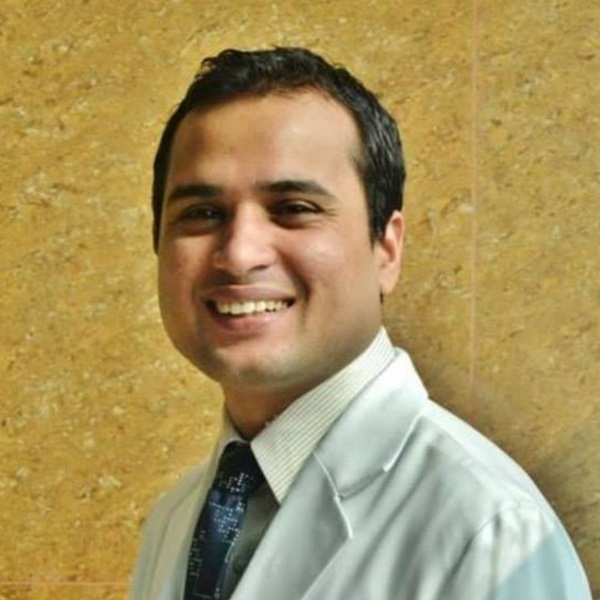
Expert reviewer
Dr. Bishworaj BastakotiConsultant Radiologist
Consultant Radiologist at KDRC, Pokhara. Residency at the National Kidney and Transplant Institute, Manila; previously at Western Regional Hospital. Member, Nepal Radiologist Society.
View doctor's profile →