
CT Scan7 min read
Contrast Dye for CT Scans: Safety, Allergies and Side Effects
CT scan contrast dye safety is excellent for most patients. The iodine-based dye brightens vessels and organs, is cleared by the kidneys within about a day, and usually causes only brief warmth or a metallic taste. Serious reactions are rare. People with kidney disease, past dye reactions, metformin use or pregnancy need screening first.
Also called: CT contrast side effects, iodine contrast allergy, contrast dye kidney risk, CECT safety, is CT dye safe
Booking, timings and preparation: see our 192 Slice High Resolution CT Scan page.
 By Dr. Nawaraj Paudel · Consultant RadiologistReviewed by Dr. Bishworaj Bastakoti· Last reviewed 12 October 2026· Published 11 November 2026
Key takeaways
- CT scan contrast dye safety is excellent for most people; serious reactions are rare.
- Warmth, a metallic taste and the feeling of passing urine are normal and brief.
- Kidney disease, past dye reactions, metformin, thyroid disease and pregnancy need screening first.
- Shellfish allergy does not predict contrast reactions, but every allergy should be declared.
- KDRC screens every contrast patient, keeps emergency equipment in the CT room and observes afterwards.
What is CT contrast dye, and is it safe?
CT scan contrast dye safety is excellent for most people: modern iodine-based dye is used in hospitals worldwide every day, is cleared naturally by the kidneys, usually within a day, and causes serious reactions only rarely. Mild, short-lived effects such as warmth or a metallic taste are common and harmless. Careful screening identifies the small group of patients who need extra precautions.
Contrast dye is a colourless liquid containing iodine that is injected into a vein during some CT scans. It briefly changes how X-rays pass through the blood and tissues it flows through, brightening blood vessels, organs and abnormal areas on the images. Without it, a CT shows structure; with it, the radiologist also sees blood supply and enhancement patterns, which helps separate normal tissue from tumours, infection and bleeding. RadiologyInfo.org explains that many abnormalities cannot be seen reliably without contrast.
The idea that contrast is dangerous mostly comes from older dye formulas used decades ago. Modern agents are far better tolerated. This guide explains, in plain language, how often side effects occur, who needs extra care, and how the team at KDRC Pokhara keeps contrast scans safe from start to finish. Scan types and general preparation are listed on our CT scan in Pokhara page.
Who needs extra caution with CT contrast dye?
A few conditions call for screening before contrast. They rarely forbid the scan; they simply shape the precautions taken.
- Reduced kidney function. The kidneys clear the dye. Kidney function is checked with a simple creatinine blood test when risk factors are present, not for every patient.
- A previous reaction to contrast. Anyone who reacted moderately or severely in the past may receive pre-medication or an alternative test arranged by the referring doctor.
- Significant allergies or asthma. These do not stop the scan but prompt closer monitoring.
- Diabetes, especially on metformin. Metformin may need to be paused around the scan, depending on kidney function.
- Heart failure. The fluid load and dose are considered carefully.
- Thyroid disease. Iodine can affect an overactive thyroid and can interfere with planned radioactive iodine treatment or scans.
- Pregnancy and dialysis. Contrast is avoided in pregnancy where possible, and dialysis patients need coordination with their kidney specialist.
Side effects of CT contrast dye and how they are managed
Most people feel nothing beyond a few seconds of unusual sensations. Knowing what is normal helps you stay relaxed on the table.
Normal sensations, not side effects
A brief warm, flushing feeling, a metallic taste, or the sensation of having passed urine are the feelings people remember. All pass within a minute or two. They are not an allergy and not a sign of anything wrong. A few people feel coolness at the cannula site.
Mild and moderate reactions
Mild nausea, itching or a few hives occur occasionally and settle on their own or with simple treatment. What staff actually watch for is spreading rash, swelling or breathing difficulty.
Serious reactions
Severe allergy-like reactions are rare and are treated promptly in the department. The CT suite at KDRC is equipped and trained to manage these on the rare occasion they appear, as described in RadiologyInfo.org's contrast safety guide.
| Type | Examples | What happens |
|---|---|---|
| Normal sensation | Warmth, metallic taste, feeling of passing urine | Passes in a minute or two; no treatment |
| Mild reaction | Nausea, itching, a few hives | Observation or simple medicine |
| Moderate reaction | Widespread hives, wheezing | Prompt treatment in the department |
| Severe reaction | Swelling of throat, breathing difficulty, low blood pressure | Rare; emergency treatment on site |
IV iodine contrast vs oral contrast vs MRI contrast
Not all "contrast" is the same, which often causes confusion. Injectable iodinated dye is used for most enhanced CT scans and is the focus of this article. Some abdominal CT studies also use oral contrast, a drink that outlines the stomach and bowel; it is a different preparation and much gentler than it sounds. MRI uses a different agent based on gadolinium, which carries its own separate screening questions.
If you have reacted to one type, it does not automatically mean you will react to another, but you should always mention it. The radiologist will decide which agent, if any, answers your doctor's question best.
| Factor | IV iodine contrast (CT) | Oral contrast or MRI agent |
|---|---|---|
| How it is given | Injected into an arm vein | Drunk before CT, or injected for MRI |
| What it shows | Vessels, organs, tumours, infection | Bowel outline (oral); soft tissue (MRI) |
| Main ingredient | Iodine | Varies; MRI agents use gadolinium |
| Common sensations | Warmth, metallic taste | Mild fullness (oral); usually few |
| Key screening | Kidneys, allergy, metformin, thyroid | Kidneys and allergy; MRI metal checks |
The shellfish-allergy rule deserves a special mention. Shellfish allergy is to proteins in the seafood, not to iodine, and it does not reliably predict dye reactions. Still, declare every allergy you have, because any serious allergy history shapes monitoring, not rejection.
How KDRC keeps contrast CT scans safe
Before your scan, tell the staff about allergies, previous dye reactions, kidney disease, diabetes, all your medicines (especially metformin), thyroid treatment, and whether you are or may be pregnant. A short questionnaire at KDRC covers each point, and the CT team at Shantipath, Amarsingh Chowk, reconfirms the answers on arrival before any injection. Bring your medicine list, or the medicines themselves if that is easier.
Safety in contrast scanning is a chain, and every link is deliberate. KDRC screens every contrast patient in advance, uses trained staff and modern monitoring during injection, keeps emergency medicines and equipment in the CT room, and observes you briefly afterwards. Scans run on the 192-slice Siemens CT with AI-assisted low-dose protocols, and consultant radiologists supervise image quality.
- 1Screening questionnaireYou answer questions on allergies, kidneys, diabetes, medicines, thyroid and pregnancy.
- 2Reconfirmation on arrivalThe CT team checks your identity, the correct scan and your screening answers.
- 3Secure IV lineA cannula is placed in an arm vein for the injection.
- 4Monitored injectionTrained staff watch you during and immediately after the contrast injection.
- 5Emergency readinessEmergency medicines and equipment are kept in the CT room.
- 6Observation and dischargeYou are observed briefly, then advised to drink plenty of water.
The fast 192-slice platform shortens the injection-to-scan window so peak enhancement is captured precisely. Learn more in benefits of the 192-slice CT scanner, and see our guide on how to prepare for a CT scan for the fasting window before a contrast study.
After a contrast CT: kidneys, metformin and delayed reactions
Afterwards, most people simply go home or back to work. Drink plenty of water for the rest of the day to help your kidneys flush the dye, and eat normally unless told otherwise. In people with normal kidney function the dye almost completely leaves the body in the urine within twenty-four hours; it does not stay permanently in your organs or bones.
If you are diabetic and take metformin, confirm with the KDRC team or your doctor when to restart it, usually after a short pause for contrast studies when kidney function is reduced. The NHS and MedlinePlus both advise telling staff about kidney problems and diabetes before a contrast CT.
Very occasionally, a skin rash or itching appears hours or even days later. Contact the centre if a delayed rash, swelling or breathing difficulty appears, and seek emergency care for breathing problems.
Delayed reactions are uncommon. Contact KDRC on 061-553538 if a rash, itching or swelling appears in the hours or days after your scan. Seek emergency care straight away for difficulty breathing, swelling of the lips, tongue or throat, or feeling faint. If you take metformin, do not restart it until you have confirmed the timing with the team or your doctor.
Common myths about CT contrast dye
- Myth: shellfish allergy means you cannot have contrast. Shellfish allergy is to seafood proteins, not iodine, but mention it anyway.
- Myth: the warm feeling is an allergic reaction. Warmth and the feeling of passing urine are normal and brief.
- Myth: contrast stays in the body for good. With normal kidneys it is almost completely gone within a day.
- Myth: everyone needs a kidney blood test first. The test is done when risk factors are present, not routinely for everyone.
- Mistake: not declaring metformin, kidney disease or pregnancy. These change the precautions, so always mention them.
- Mistake: asking for contrast "to be thorough". Contrast is chosen by your doctor and radiologist for a specific reason.
Contrast studies are priced differently from plain ones; our article on what affects CT scan cost explains why, and CT angiography explained covers the most contrast-dependent study of all. To book or ask about a contrast study, call 061-553538, read about contrast CT on KDRC's 192-slice scanner or contact us.
Example
Illustrative example (fictional). Sita, a 55-year-old from Lamachaur, was asked to have a contrast CT of her abdomen. She remembered a relative saying that people with seafood allergies should never have dye, and she had once had hives after eating prawns. She also takes metformin for diabetes.
She called 061-553538 before booking. The team explained that shellfish allergy does not predict contrast reactions but that she should still declare it, and arranged a kidney function test because of her diabetes. On the day, she filled in the screening questionnaire, and the CT team went through her answers again before placing the IV line. During the injection she felt a warm flush and an odd feeling of having passed urine, which faded within a minute.
She was observed briefly and went home with advice to drink plenty of water and to confirm with her doctor when to restart metformin. She had no reaction, and her report went to her doctor as planned.
Frequently asked questions
Is CT contrast dye safe for the kidneys?
For people with normal kidney function it is safe and is passed out in the urine, usually within a day. Patients with kidney disease are assessed first, often with a creatinine test, and precautions such as hydration or another test can be arranged.
Can I have contrast dye if I am allergic to shellfish?
Usually, yes. Shellfish allergy is to seafood proteins, not iodine, so it does not reliably predict dye reactions. Still tell staff about every allergy so monitoring can be planned.
What are the side effects of CT contrast dye?
Most people feel only brief warmth, a metallic taste or the feeling of passing urine. Mild nausea, itching or hives occur occasionally, and serious reactions are rare and treated promptly.
How long does contrast dye stay in the body?
In people with normal kidney function, the dye almost completely leaves the body in the urine within 24 hours. Drinking extra water helps, and it does not stay permanently in organs or bones.
Is contrast dye safe during pregnancy?
Imaging teams avoid contrast in pregnancy whenever possible and use it only when the benefit clearly outweighs the small risk. Tell staff if you are or might be pregnant; ultrasound or MRI may be used instead.
Do I need to stop metformin before a contrast CT?
Sometimes. It depends mainly on your kidney function. Tell the team you take metformin, follow their advice, and confirm with them or your doctor when to restart it after the scan.
Related tests at KDRC Pokhara
Questions or bookings: call +977-61553538 or +977-9856077433.
Go deeper
- 192-slice CT scan at KDRC
- How to prepare for a CT scan
- CT angiography explained
- CT scan price in Pokhara
- CT scan in Pokhara: complete guide
- What Does a CT Scan of the Abdomen Show? Contrast and PreparationAn abdominal CT scan shows the organs, bowel, blood vessels and lymph nodes in detail. Learn what it can detect, the difference between plain and contrast scans, and how to prepare.
- Chest CT Scan for Cough: When Doctors Order It and What It ShowsMost coughs need no scan. Learn when a persistent cough calls for a chest CT or HRCT instead of an X-ray, and what the scan can show.
Sources
- www.radiologyinfo.org/en/info/safety-contrast
- www.nhs.uk/tests-and-treatments/ct-scan/
- medlineplus.gov/ency/article/003330.htm
- www.radiologyinfo.org/en/info/bodyct
This article is general information, not medical advice. Always consult your doctor about your specific situation.
About the author
Dr. Nawaraj PaudelConsultant Radiologist
Consultant Radiologist at KDRC, Pokhara. Residency at East Avenue Medical Centre, Manila; formerly Assistant Professor of Radiology at Universal College of Medical Sciences. Member, Nepal Radiologist Society.
View doctor's profile →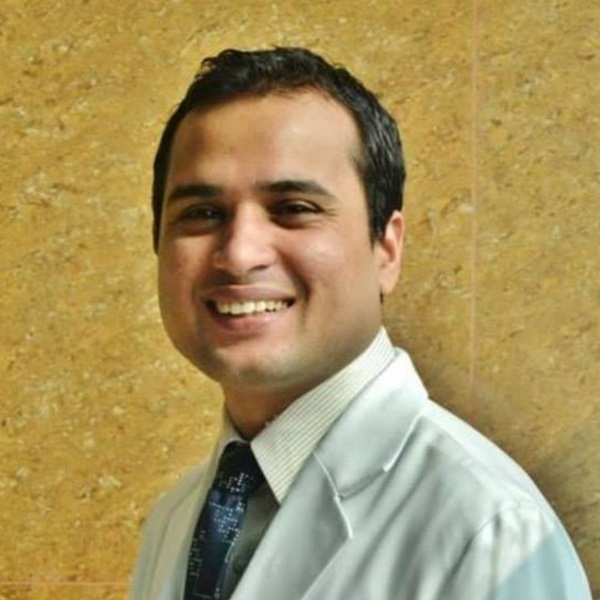
Expert reviewer
Dr. Bishworaj BastakotiConsultant Radiologist
Consultant Radiologist at KDRC, Pokhara. Residency at the National Kidney and Transplant Institute, Manila; previously at Western Regional Hospital. Member, Nepal Radiologist Society.
View doctor's profile →