
CT Scan8 min read
CT Scan for Headache and Head Injury: When Doctors Order It
A CT scan for headache is a fast X-ray scan of the head that looks for serious causes such as bleeding, fracture, swelling or a mass. Doctors order it for red flags like sudden severe pain, weakness, confusion or a head injury. Most ordinary headaches, including migraine, need no scan at all.
Also called: head CT scan, CT brain for headache, CT scan after head injury, brain scan for headache Pokhara, CAT scan head
Booking, timings and preparation: see our 192 Slice High Resolution CT Scan page.
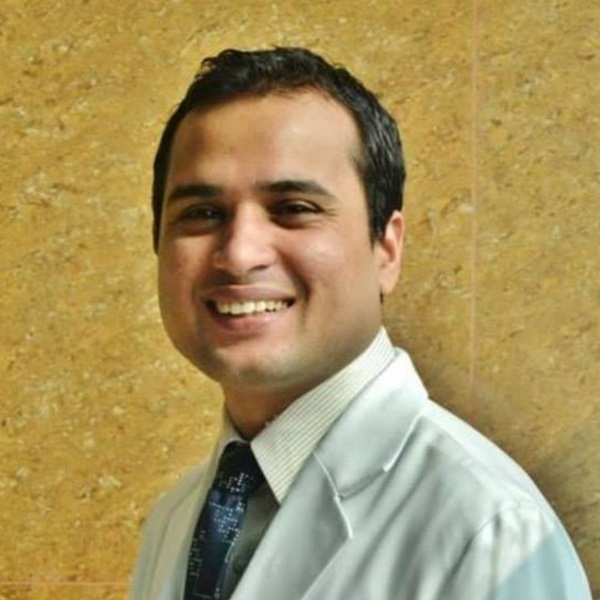 By Dr. Bishworaj Bastakoti · Consultant RadiologistReviewed by Dr. Nawaraj Paudel· Last reviewed 12 October 2026· Published 15 November 2026
Key takeaways
- Most headaches, including migraine and tension-type headache, are diagnosed without any scan.
- A CT scan for headache is ordered for red flags such as sudden severe pain, weakness or confusion.
- After a head injury, CT quickly shows bleeding, fractures and swelling that may need surgery.
- CT usually comes first in emergencies; MRI suits persistent unexplained headaches.
- A plain head CT at KDRC needs no fasting, and routine studies are typically reported the same day.
What is a CT scan for headache?
A CT scan for headache is a quick X-ray scan of the head that looks for serious causes such as bleeding, a skull fracture, swelling or a mass, and doctors order it only when warning signs are present. Most everyday headaches, including migraine and tension-type headache, are diagnosed from your story and an examination, and a scan adds nothing for them.
Headaches are one of the commonest reasons people visit a clinic in Pokhara, and head injuries are frequent after road accidents, falls at home and sport. Doctors divide headaches into two groups. Primary headaches are the illness itself, as in migraine. Secondary headaches are a symptom of another problem, such as bleeding, infection or raised pressure inside the skull, and these are what imaging is for.
A head CT (computed tomography) uses X-rays from many angles and a computer to build cross-sectional pictures of the brain and skull. RadiologyInfo.org notes that head CT is fast and widely used in emergencies because it shows fresh bleeding and fractures clearly. At KDRC Pokhara, head scans are done on a 192-slice Siemens CT and reported by consultant radiologists. Scan types and preparation are covered on our CT scan in Pokhara page.
When does a headache need a CT scan?
A headache needs a CT scan when it carries red flags: features suggesting a secondary cause that should not wait. Your doctor looks for these when deciding whether to scan.
- Sudden, severe onset. A "thunderclap" headache that reaches full strength within about a minute can signal bleeding around the brain and needs urgent assessment.
- A change in pattern. A headache that is clearly different from your usual ones, or steadily worsening over days and weeks, deserves a closer look.
- Neurological signs. Weakness, numbness, slurred speech, double vision, confusion or a seizure alongside headache point to a problem inside the skull.
- Fever with neck stiffness. This combination can mean meningitis and needs same-day hospital care.
- New headache in an older person. A first-ever headache pattern after middle age raises suspicion and may justify a scan.
- Headache after a head injury. Especially with vomiting, drowsiness or loss of consciousness, or in people taking blood thinners.
Keeping a simple headache diary, noting when it started, how often it comes and what triggers it, can help your doctor decide faster than any test. The NHS headache guide lists the same warning signs for seeking urgent help.
Head CT after a head injury: what it shows and how to prepare
After a fall or road accident, a head CT answers the most urgent question quickly: is there bleeding that needs surgery? Guidance such as the NHS advice on head injury explains which symptoms mean a person should be assessed in hospital straight away.
What the scan can show
A head CT shows skull fractures, bleeding just outside the brain, bleeding within it, bruising of brain tissue, swelling, fluid collections and foreign objects. A small bleed can expand in the first hours, which is why some patients are scanned, observed and occasionally rescanned even after an initially normal study. The scan steers two very different paths: careful monitoring versus urgent surgery. Because KDRC's 192-slice CT images the whole head in seconds, that decision point arrives fast; the technology is explained in benefits of the 192-slice CT scanner.
Which test usually comes first
| Situation | Usual first test | Why |
|---|---|---|
| Head injury with vomiting, drowsiness or loss of consciousness | CT head, urgently | Fast and reliable for bleeding and fractures |
| Sudden worst-ever headache | CT head, urgently | Looks for bleeding around the brain |
| Persistent unexplained headache over weeks | Often MRI brain | Finer soft-tissue detail for small lesions |
| Typical migraine or tension headache | Usually no scan | Diagnosed from history and examination |
Preparing for a plain head CT
Preparation is minimal. No fasting is needed for a plain head CT at KDRC, there is no dye, and you can eat, drink and take your medicines as usual. Remove metal items such as earrings, hairpins and spectacles. If contrast is needed for a particular question, the team will explain the extra steps. Our guide on how to prepare for a CT scan collects the practical details.
CT vs MRI for headache: which is better?
For sudden, severe or post-injury headache, CT is usually the first choice because it is fast, widely available and excellent for bleeding, fractures and acute problems. MRI uses a magnet and radio waves instead of X-rays and shows the brain's fine soft-tissue detail, which suits persistent unexplained headache, suspected tumour and follow-up.
A common sequence is CT now, MRI later if needed. Availability and turnaround also matter: CT results come faster, which counts when treatment cannot wait. If your headache pattern is chronic and previous scans have been normal, your doctor may discuss migraine-specific care instead of repeated imaging. Neither test is automatically better; better means better matched to the question being asked.
| Factor | Head CT | Brain MRI |
|---|---|---|
| Best for | Bleeding, fractures, acute problems | Small lesions, fine soft-tissue detail |
| Scan time | Seconds to a few minutes | Usually much longer |
| How it works | X-rays and a computer | Strong magnet and radio waves |
| Radiation | Small dose of ionising radiation | No ionising radiation |
| Typical use | Sudden headache, head injury | Persistent unexplained headache, follow-up |
For the full comparison, read our guide to CT scan versus MRI, and see KDRC's open MRI service if your doctor recommends MRI.
What to expect during a head CT at KDRC
You lie on a table that slides briefly into a large open ring; there is no long tunnel and none of the loud knocking of an MRI. You keep your head still for a few seconds to a few minutes, the technologist watches and talks to you throughout, and the whole visit is usually short.
You can walk in, but a referral makes the scan more useful because it tells the radiologist exactly what question to answer. Bring previous reports and scans if you have them. Reports are prepared by consultant radiologists, and routine head studies are typically reported the same day, so your treating doctor receives an answer quickly. For current charges, call 061-553538, and see what affects CT scan cost for what influences the cost.
Children can have a head CT when a doctor judges it necessary. Age-adjusted low-dose protocols are used, the scanner's speed means most children keep still long enough without sedation, and a parent can usually stay in the room in a protective gown. Our parents' guide to medical scans has tips for preparing a child.
Is a head CT safe, and what do the results mean?
Yes, a head CT is safe when clinically justified. It uses a small dose of ionising radiation; RadiologyInfo.org estimates a CT of the brain at about 1.6 mSv, roughly comparable to seven months of natural background radiation. KDRC uses AI-assisted low-dose protocols on its 192-slice Siemens CT, adjusting the dose to each patient.
Radiology follows the principle of justification: every exposure should answer a real clinical question. When your doctor requests a head CT, that judgement has already been made, and the technical team keeps the dose as low as image quality allows. Tell staff beforehand if you are or might be pregnant.
A head CT reliably finds structural causes of headache, including bleeding, tumours, fractures, sinus disease and hydrocephalus (excess fluid in the brain). Many scans are reassuringly normal, and that result itself is useful: it steers your doctor toward treating migraine or tension-type headache. Discuss your report with the doctor who requested the scan. Our guide to the types of CT scan covers radiation and scan types in more depth.
Common mistakes and myths about head scans
- Myth: every bad headache needs a scan. Most headaches are primary and scans do not change their treatment; red flags decide.
- Mistake: waiting at home with danger signs. Sudden worst-ever headache, confusion or repeated vomiting needs hospital care now, not an appointment next week.
- Myth: a normal first scan means nothing can go wrong. After injury, a small bleed can grow, so keep watching for new symptoms.
- Mistake: forgetting to mention blood thinners. People taking anticoagulants bleed more easily after a knock and are scanned with a lower threshold.
- Myth: MRI is always the better brain scan. In the first hours after injury, CT is usually the right first test.
- Mistake: repeating scans for an unchanged, long-standing headache. If earlier imaging was normal, targeted headache care helps more than another scan.
If you are watching someone at home after a minor bump, look for growing drowsiness, repeated vomiting, confusion, unequal pupils, weakness on one side or a headache that keeps worsening, and write down when the injury happened and when symptoms change. KDRC is on Shantipath at Amarsingh Chowk, Pokhara-10; for urgent questions call +977-9856077433. Read about head scans on the 192-slice CT or contact KDRC to book.
A sudden worst-ever headache; headache with confusion, drowsiness or repeated vomiting; weakness, numbness or slurred speech; a seizure; fever with a stiff neck; or any head injury with loss of consciousness, blood or clear fluid from the ear or nose, or unequal pupils. These signs can mean bleeding or infection that needs treatment within the hour. Do not wait for a routine appointment.
Example
Illustrative example (fictional). Prakash, a 34-year-old motorbike rider from Lakeside, slipped on a wet road and hit his head. He felt fine at first, but that evening his wife Bimala noticed he had vomited twice and was unusually sleepy. She remembered the warning signs and did not wait until morning.
At hospital the doctor examined Prakash and requested an urgent head CT. The scan took only seconds on the table. Bimala had already written down the time of the fall and when the vomiting started, and she told staff that Prakash took no blood thinners. That timeline helped the team decide quickly.
The consultant radiologist's report showed no bleeding or fracture. Prakash was observed for a few hours and sent home with clear instructions on what to watch for. Bimala kept the report safely in case of follow-up, and both felt relieved that a dangerous cause had been ruled out quickly rather than guessed at.
Frequently asked questions
When should I get a CT scan for headache?
Only when there are warning signs: a sudden severe headache, a change from your usual pattern, weakness, confusion, fever with neck stiffness, or a headache after a head injury. Most ordinary headaches need no scan.
Can a CT scan find the cause of my headache?
A head CT reliably finds structural causes such as bleeding, tumours, fractures, sinus disease and hydrocephalus. A normal scan is also useful because it points your doctor toward migraine or tension-type treatment.
How soon after a head injury should a CT scan be done?
Immediately if there was loss of consciousness, repeated vomiting, confusion, a seizure, weakness or a suspected skull fracture, or if the person is very young, elderly or on blood thinners. For a minor bump without these signs, watch closely and seek care if symptoms appear.
Is a head CT painful?
No. Nothing touches your head and the machine simply rotates around you while you lie still. If contrast dye is needed, you may feel brief warmth from the injection.
Can children have a head CT scan?
Yes, when a doctor judges it necessary. Age-adjusted low-dose protocols are used, most children keep still without sedation on a fast scanner, and a parent can usually stay in the room in a protective gown.
Do I need a referral for a head CT at KDRC?
You can walk in, but a referral makes the scan more useful because it tells the radiologist what question to answer. Call 061-553538 for current charges and booking.
Related tests at KDRC Pokhara
- 192 Slice High Resolution CT ScanA CT scan in Pokhara at KDRC is a fast, painless X-ray test that uses a computer to create detailed cross-sectional images of the head, chest, abdomen, spine, bones and blood vessels.
- Open Type MRIAn MRI in Pokhara at KDRC is a scan that uses a strong magnet and radio waves, not X-rays, to picture the brain, spine, joints and organs in detail.
Questions or bookings: call +977-61553538 or +977-9856077433.
Go deeper
- 192-slice CT scan at KDRC
- CT scan vs MRI: which test do you need?
- How to prepare for a CT scan
- CT scan in Pokhara: complete guide
- Medical scans for children: parents' guide
- What Does a CT Scan of the Abdomen Show? Contrast and PreparationAn abdominal CT scan shows the organs, bowel, blood vessels and lymph nodes in detail. Learn what it can detect, the difference between plain and contrast scans, and how to prepare.
- Chest CT Scan for Cough: When Doctors Order It and What It ShowsMost coughs need no scan. Learn when a persistent cough calls for a chest CT or HRCT instead of an X-ray, and what the scan can show.
Sources
- www.radiologyinfo.org/en/info/headct
- www.nhs.uk/conditions/headaches/
- www.nhs.uk/conditions/head-injury-and-concussion/
- www.radiologyinfo.org/en/info/safety-xray
- medlineplus.gov/ency/article/003786.htm
This article is general information, not medical advice. Always consult your doctor about your specific situation.
About the author
Dr. Bishworaj BastakotiConsultant Radiologist
Consultant Radiologist at KDRC, Pokhara. Residency at the National Kidney and Transplant Institute, Manila; previously at Western Regional Hospital. Member, Nepal Radiologist Society.
View doctor's profile →
Expert reviewer
Dr. Nawaraj PaudelConsultant Radiologist
Consultant Radiologist at KDRC, Pokhara. Residency at East Avenue Medical Centre, Manila; formerly Assistant Professor of Radiology at Universal College of Medical Sciences. Member, Nepal Radiologist Society.
View doctor's profile →